 Heartland Budgies
Discover the beautiful variety of budgerigar mutations and learn the science behind how their colors are inherited.
Explore MutationsEach mutation changes the appearance of the budgie in a unique and beautiful way
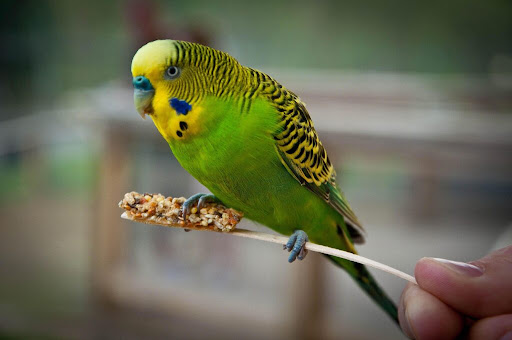
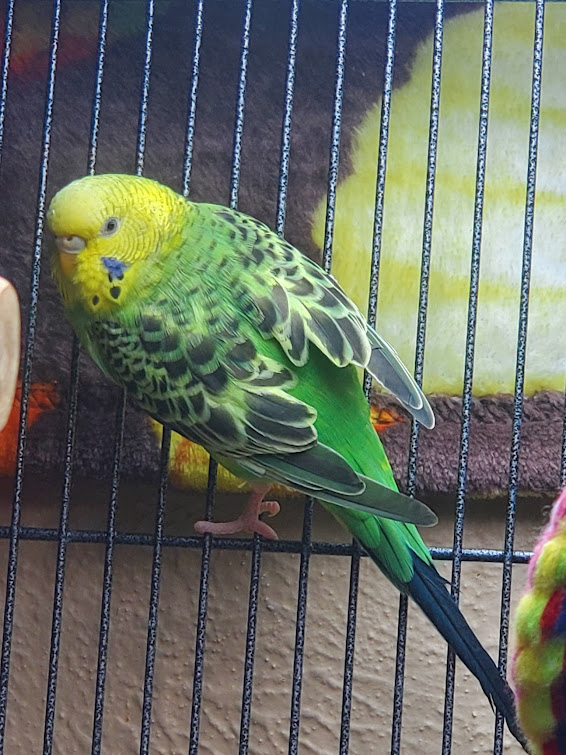
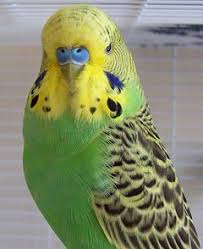
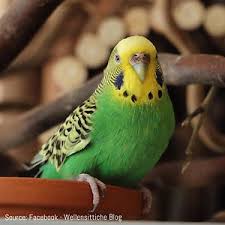
The "normal" or wild-type budgie is the baseline — the look budgerigars have in the wild across Australia. They feature bold black barring on the head, dark wing markings with yellow-edged feathers, and a rich green body (or blue in the blue-series). All other mutations are changes from this original form.
Every budgie carries two copies of each gene. A bird that shows the normal appearance has at least one normal allele at each mutation locus, since normal is dominant over most mutations.
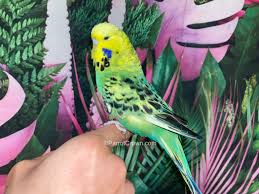
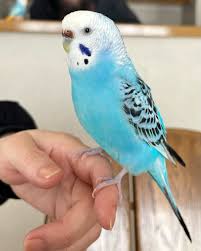
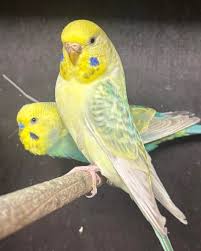
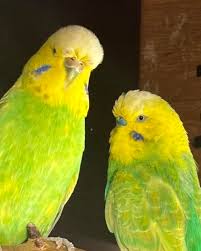
Opaline budgies have a striking transformation — the body color spreads into the wings, replacing the black markings with a softer, diluted version tinted with the bird's body color. The head barring becomes thinner and the throat spots may merge or reduce.
Because opaline is sex-linked, hens only need one copy of the gene to show it, while cocks need two. This makes opaline hens relatively common, while visual opaline cocks require both parents to carry the gene.
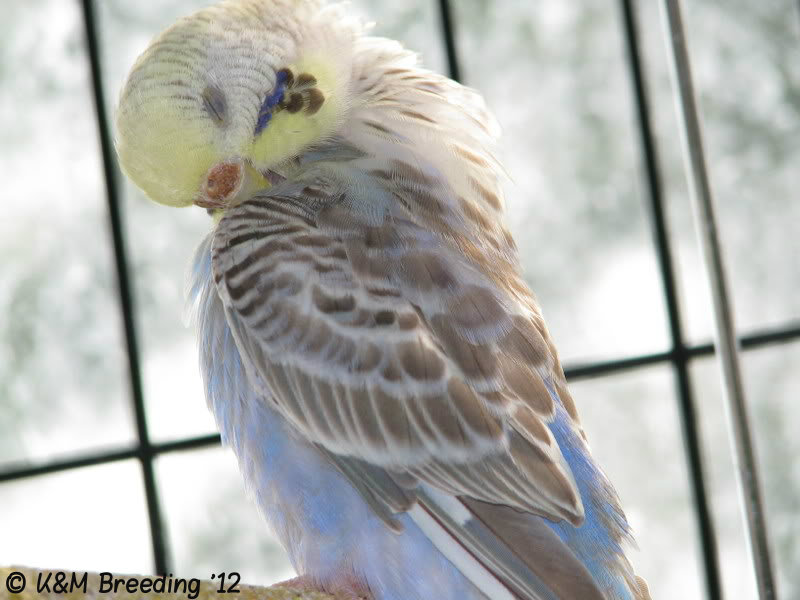
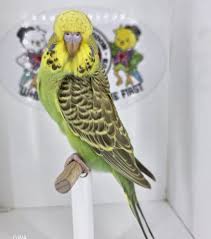
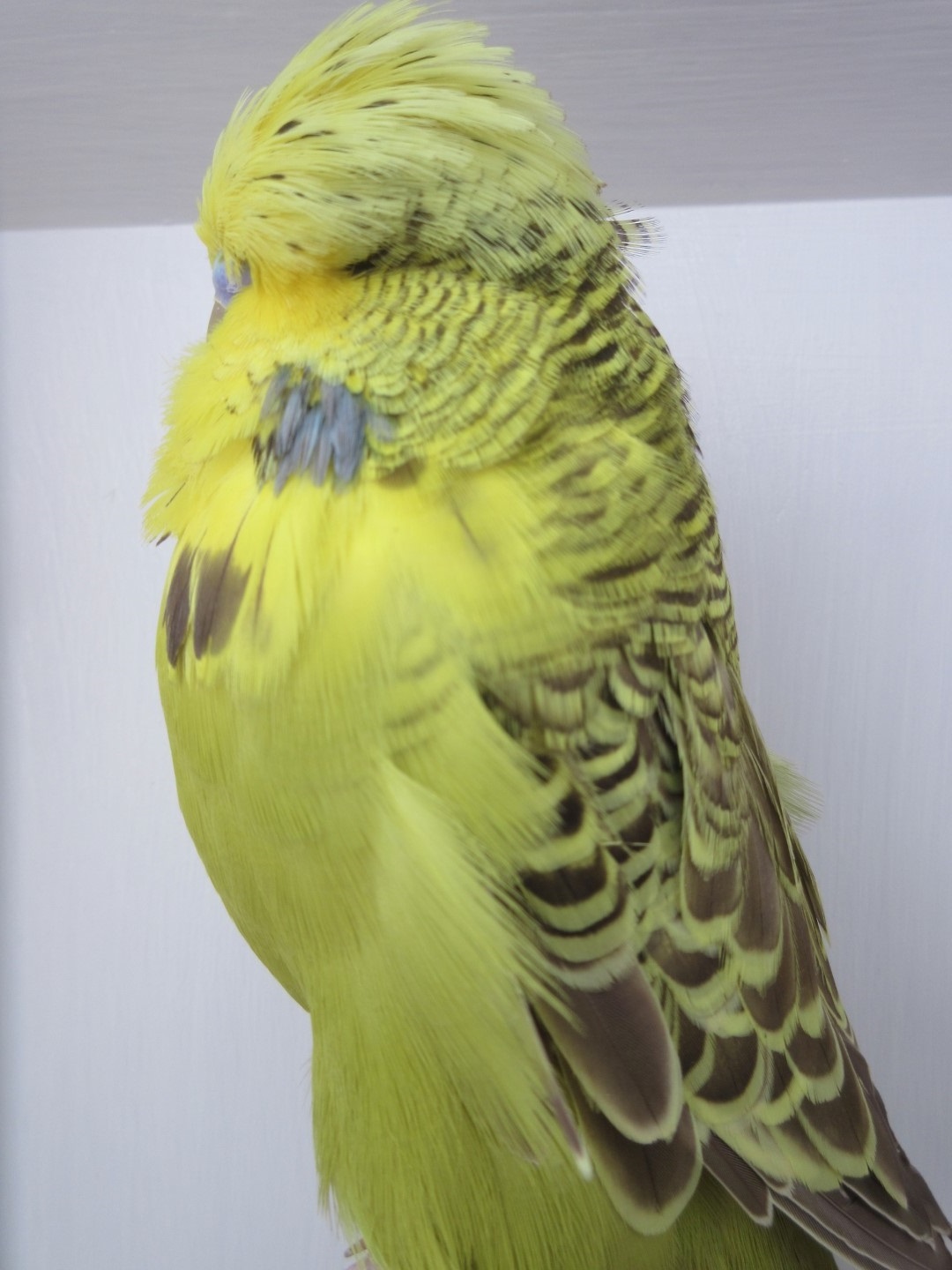
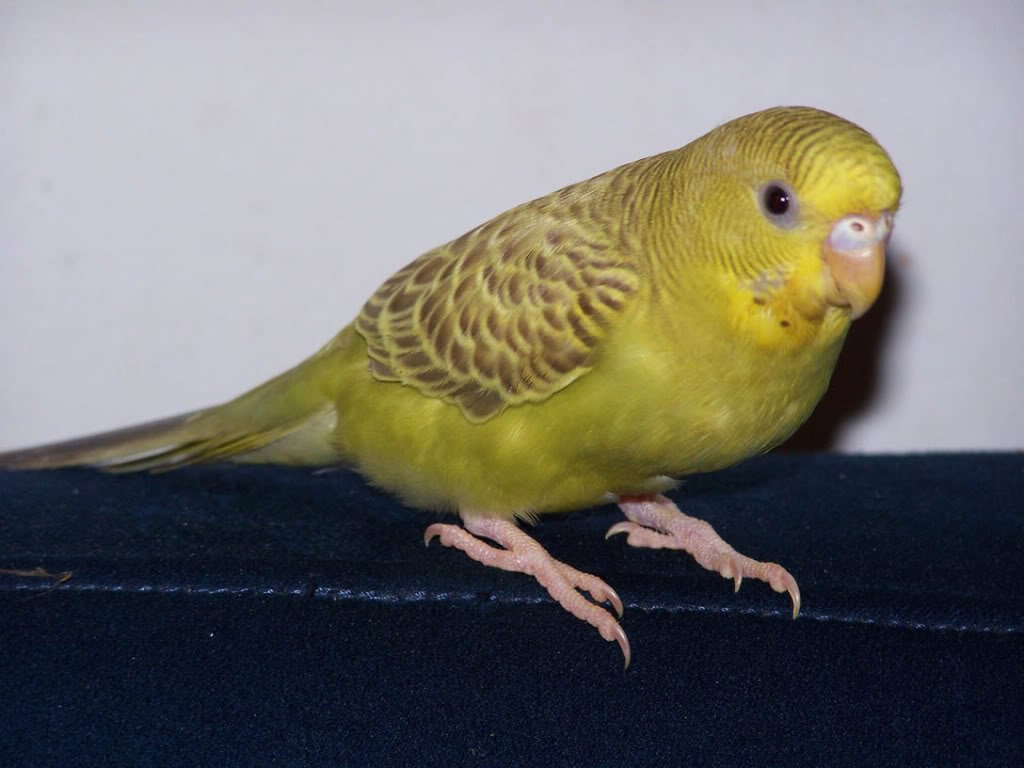
Cinnamon replaces the black melanin in the wing markings with a warm, chocolate-brown tone. The body color remains the same, but the overall look is softer and warmer. The tail feathers also shift from black to brown.
Like opaline, cinnamon is sex-linked. A cinnamon hen passes the gene to all her sons (who become splits), while a visual cinnamon cock passes it to all his daughters. Cinnamon combined with opaline creates the beautiful "lacewing" variety.
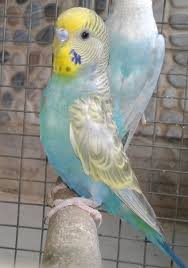
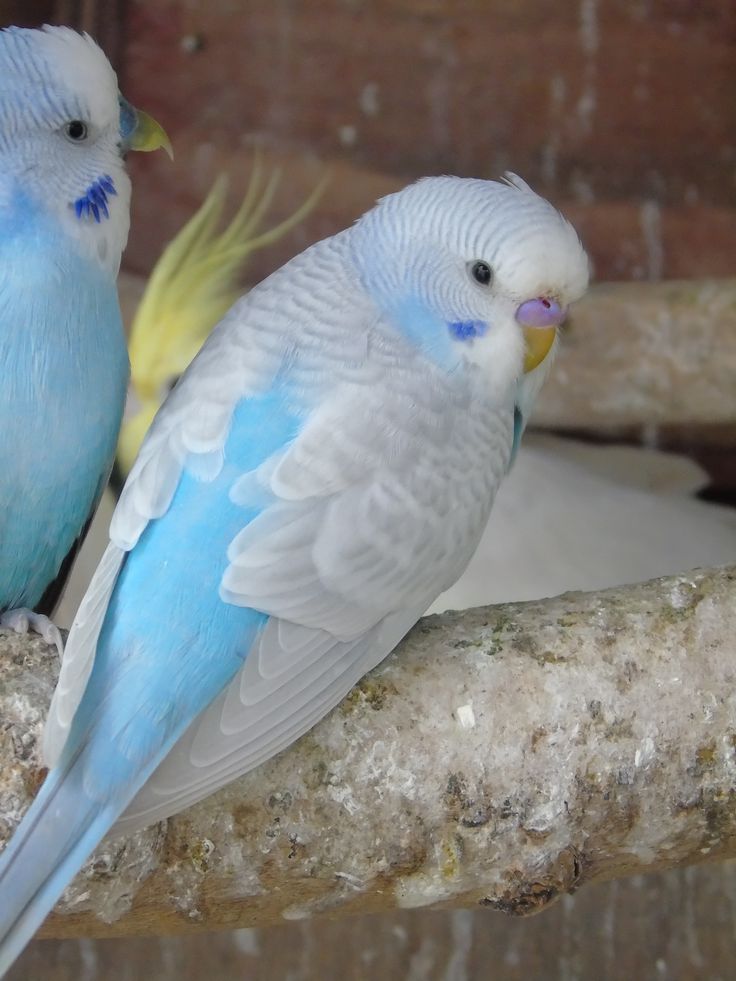
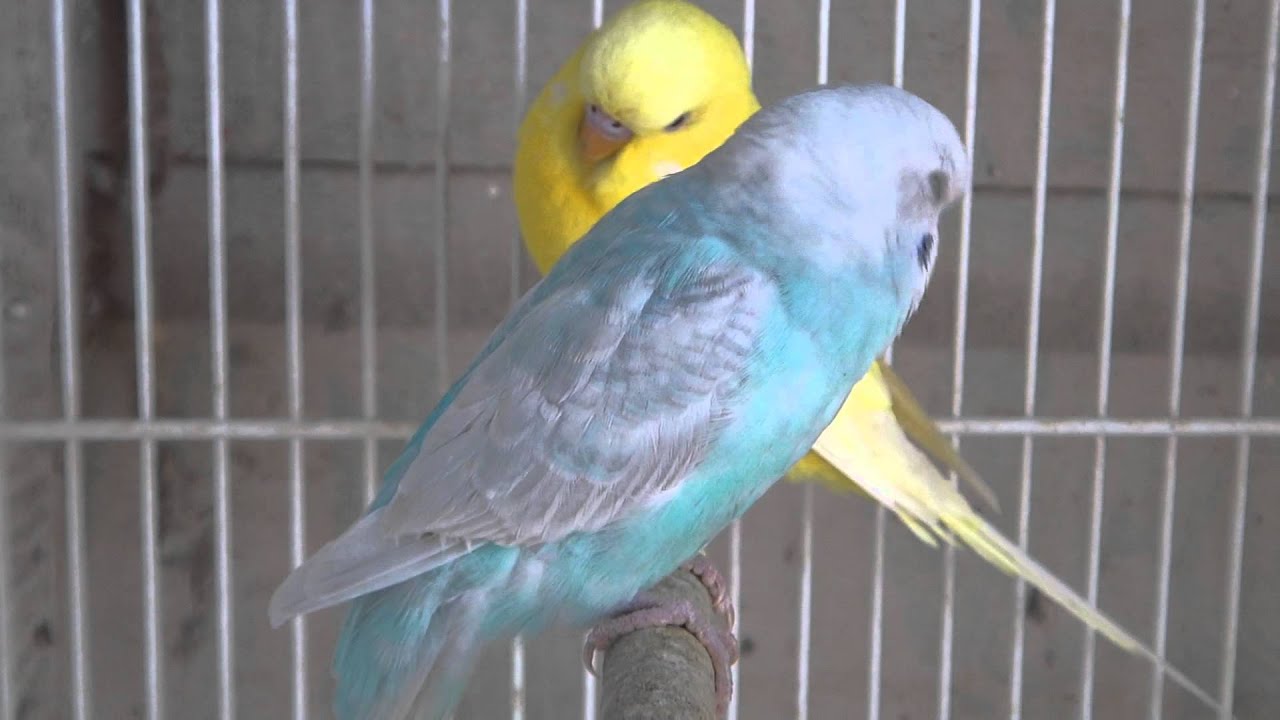
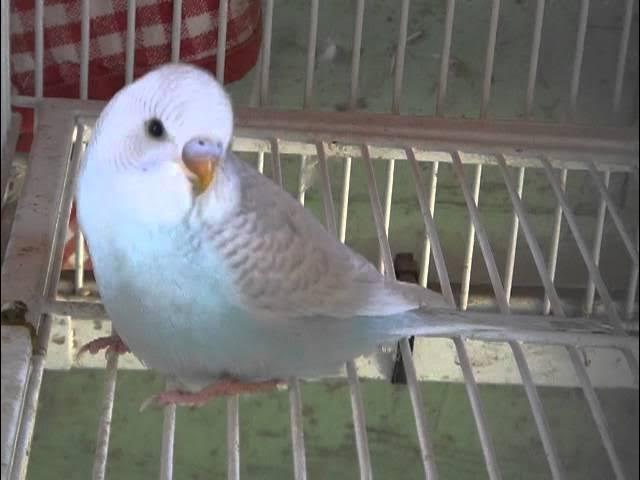
Greywing budgies have their black wing markings reduced to a soft grey, while the body color remains at roughly 50% intensity. This gives them a gentle, pastel-like appearance that's quite distinctive. The throat spots remain visible but are diluted.
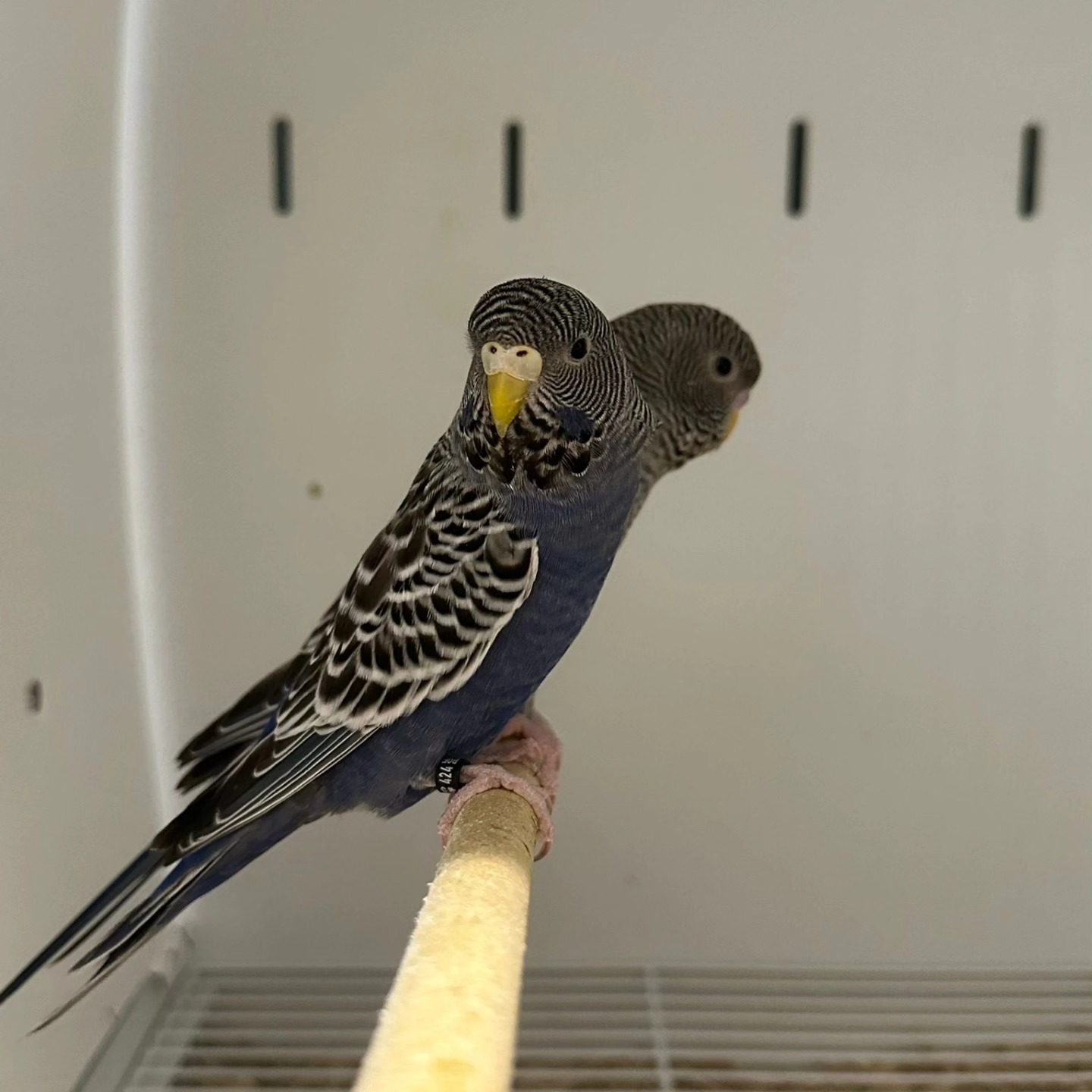
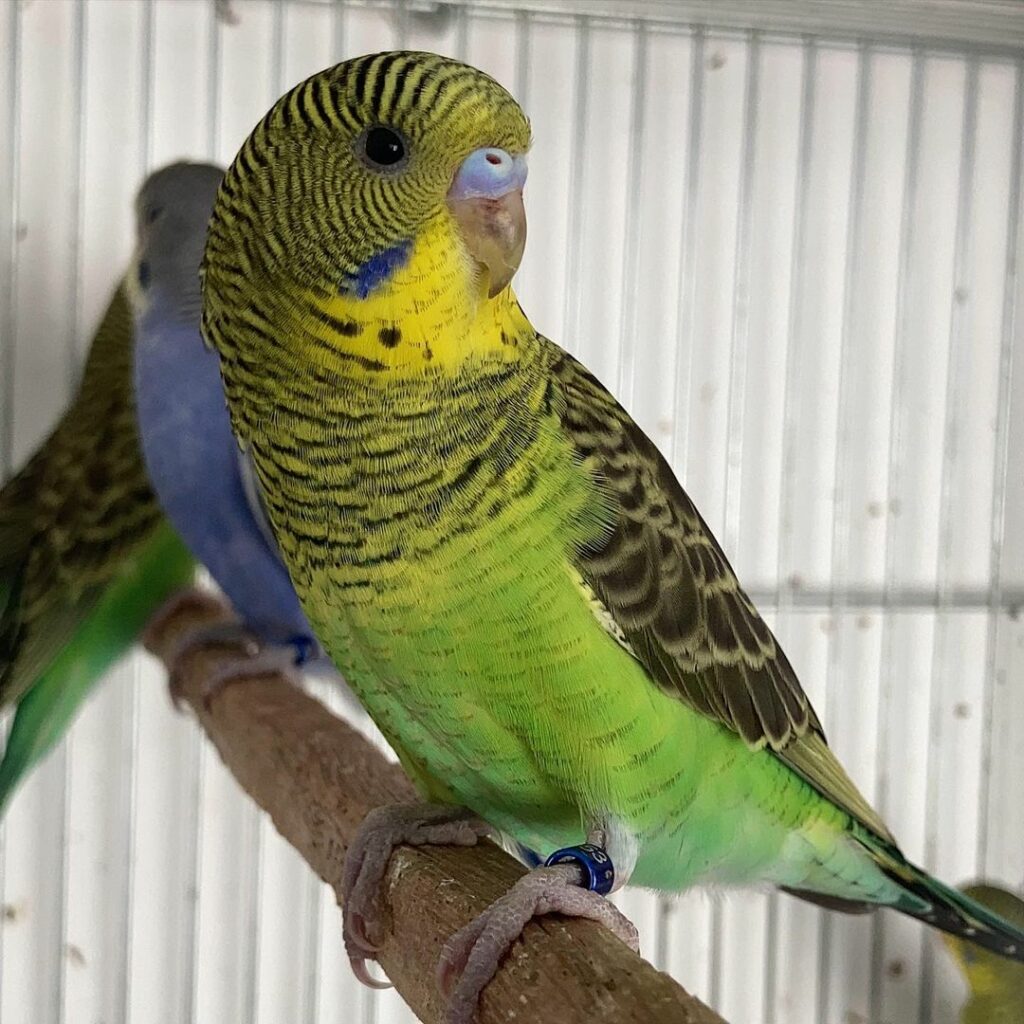
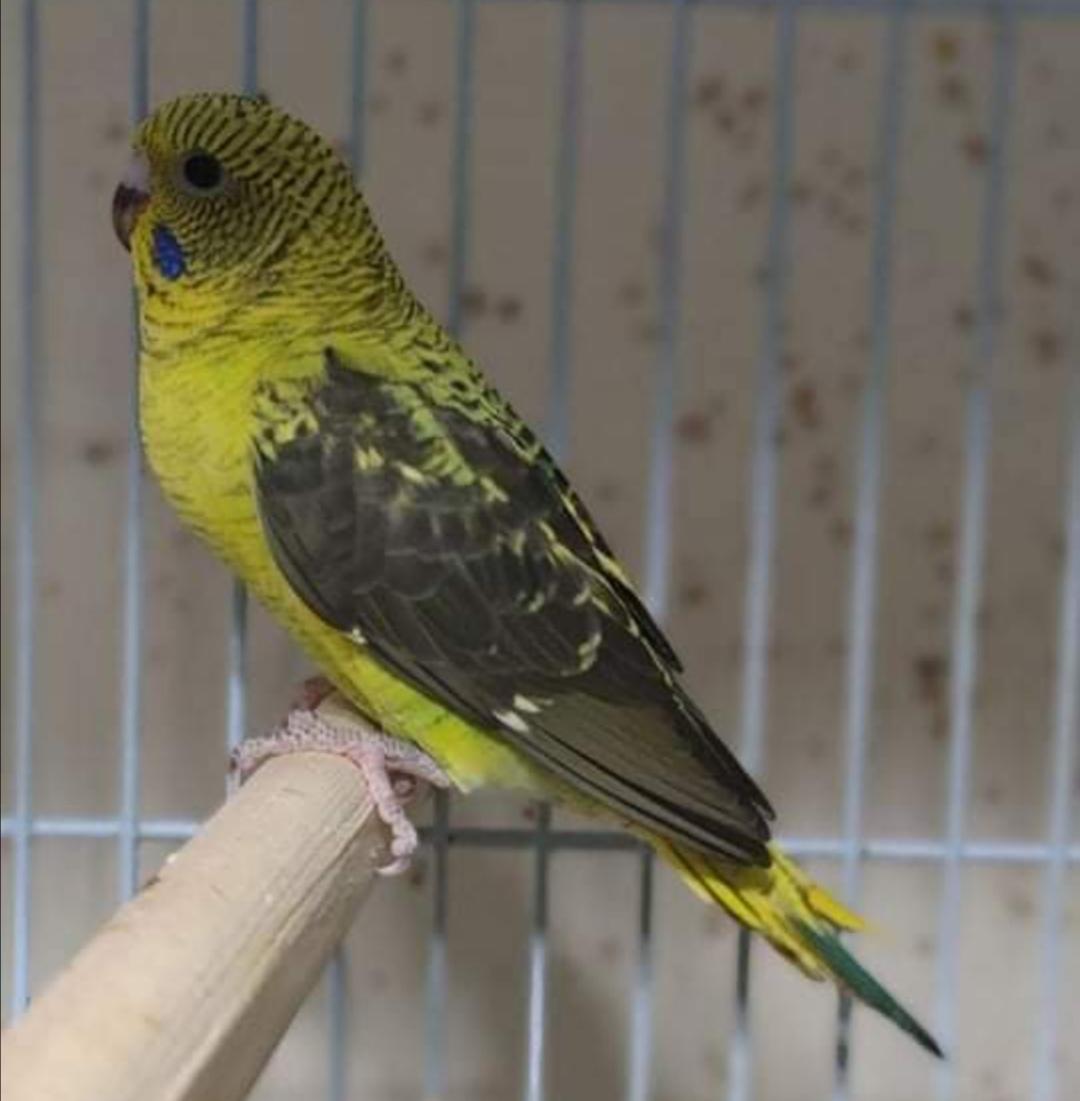
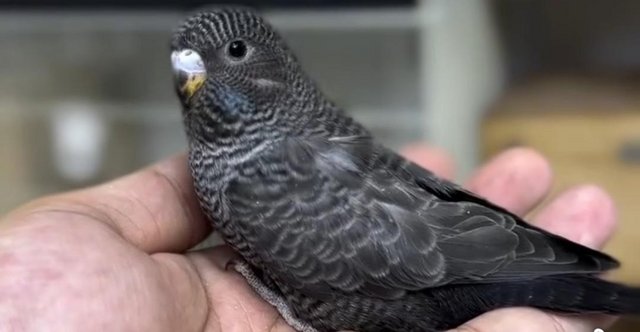
Blackface budgies are an extremely rare mutation with dark black pigmentation covering much of the face and markings, giving them a distinctive appearance. Blackwing budgies are a rare variety with unusually dark, nearly black wing markings while retaining normal body coloration. Both are prized by breeders for their rarity and unique looks.
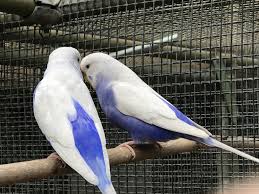
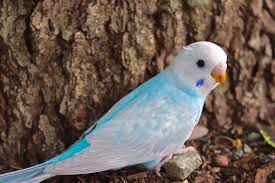
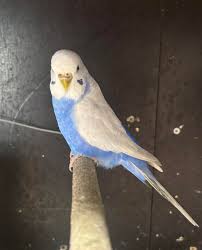
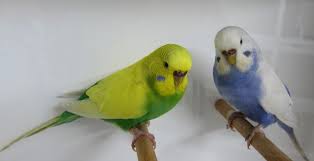
Clearwing budgies are a mutation with clear or very lightly marked wings and bright, vibrant body color. They retain strong body pigmentation while their wing markings are greatly reduced, creating a clean and striking appearance.
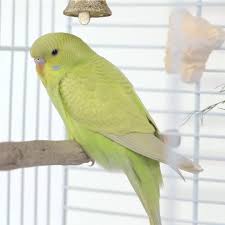
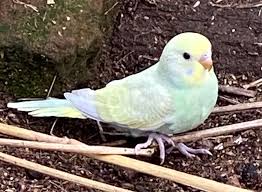
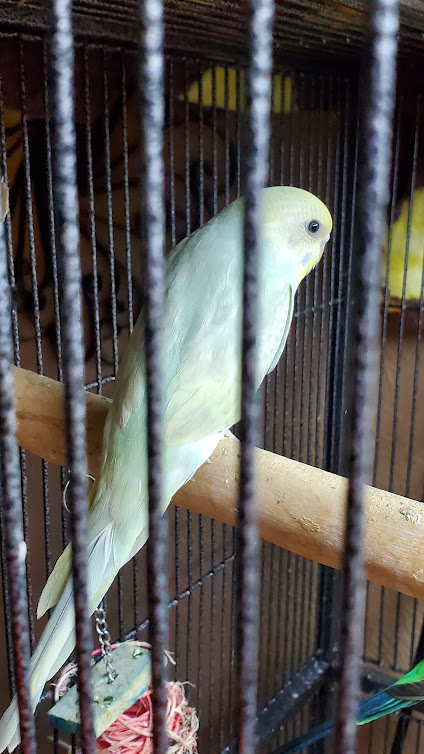
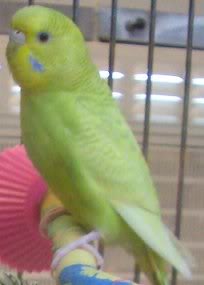
Dilute budgies are a mutation that reduces the intensity of a budgie’s colors and markings, giving them a softer, pastel appearance. Their wing markings are lighter than normal, and body color is less vibrant.
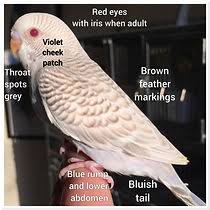
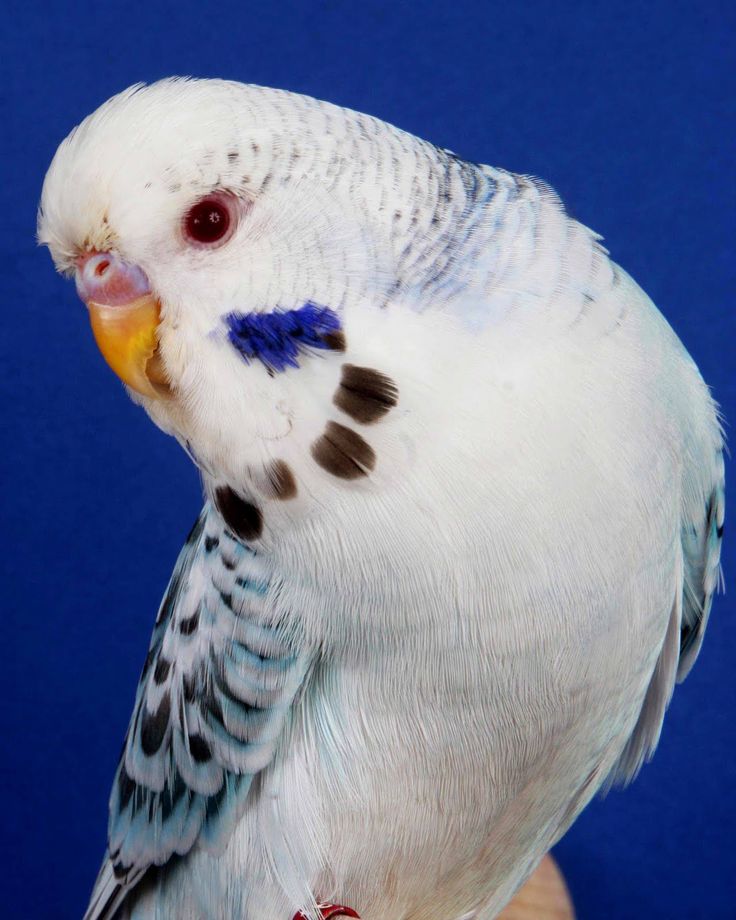
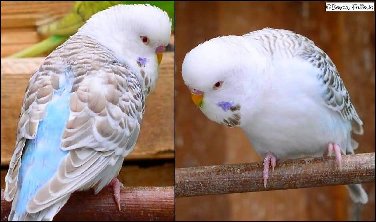
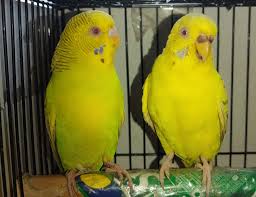
Fallow budgies are a mutation that reduces melanin, producing softer body and wing markings along with distinctive red or ruby-colored eyes. Their colors appear warmer and lighter than those of normal budgies.
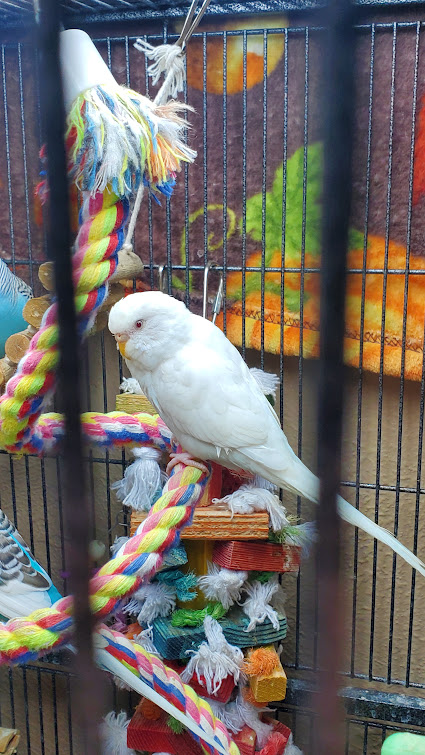
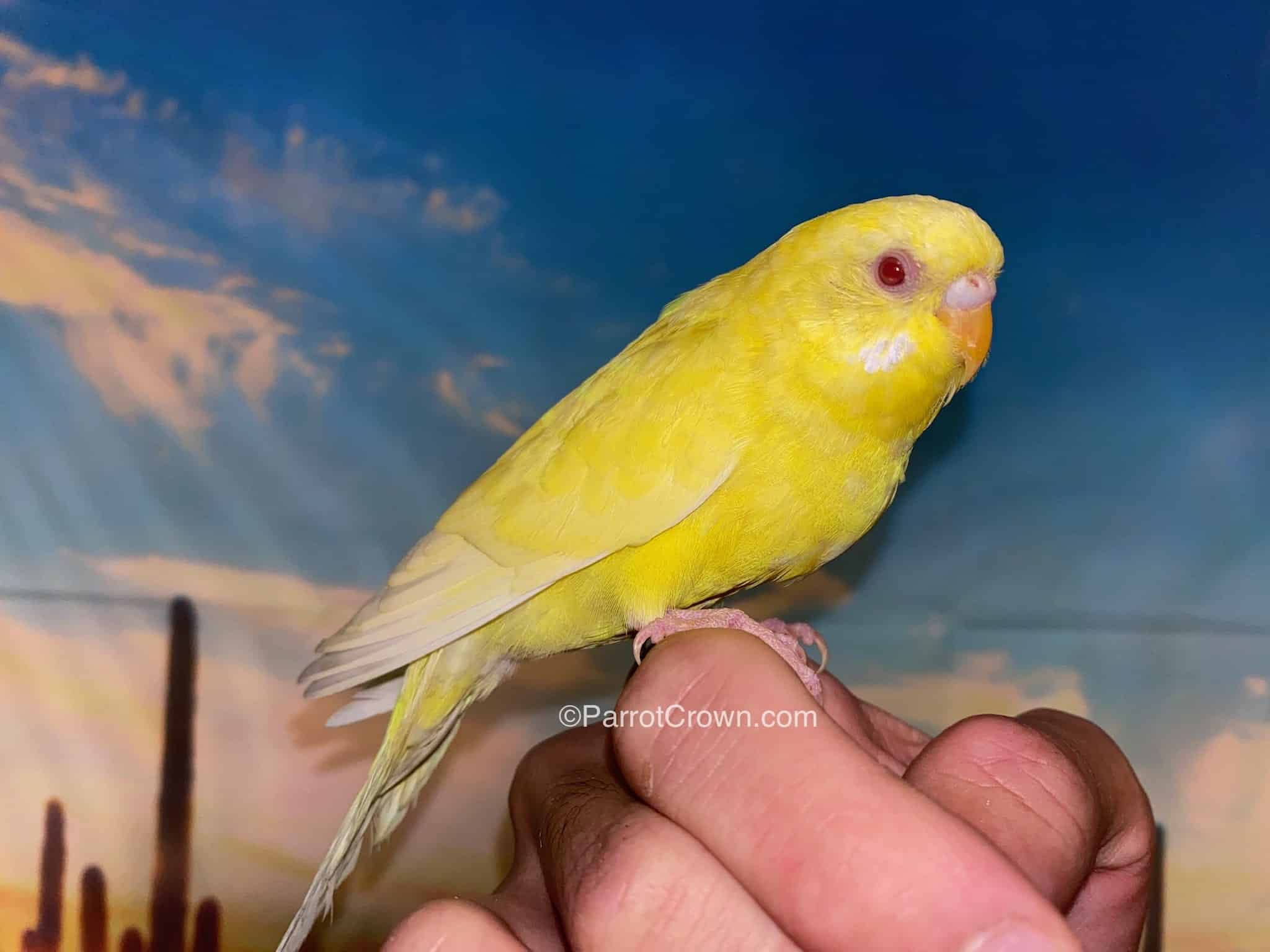
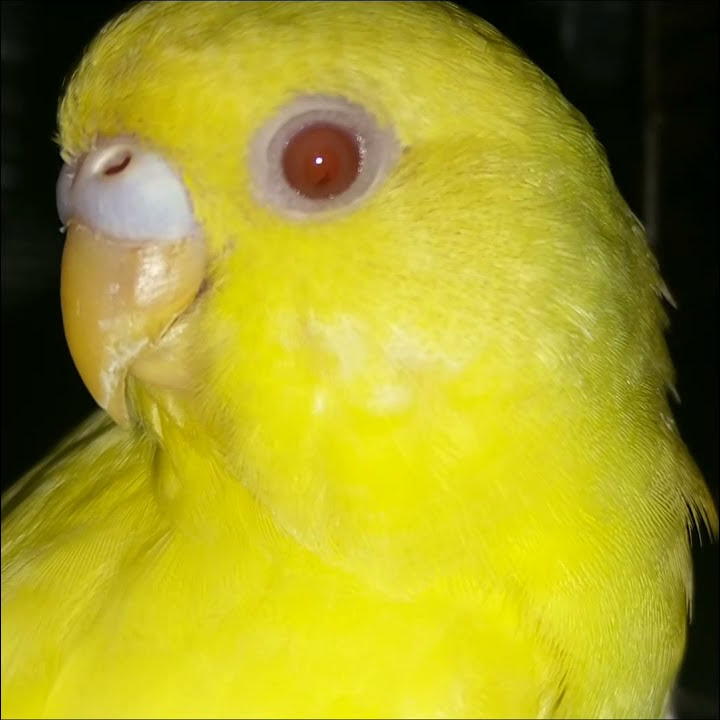
Ino budgies are a mutation that removes most melanin, resulting in yellow or white plumage with little to no dark markings. They have red eyes and include the well-known Lutino (green-series) and Albino (blue-series) varieties.
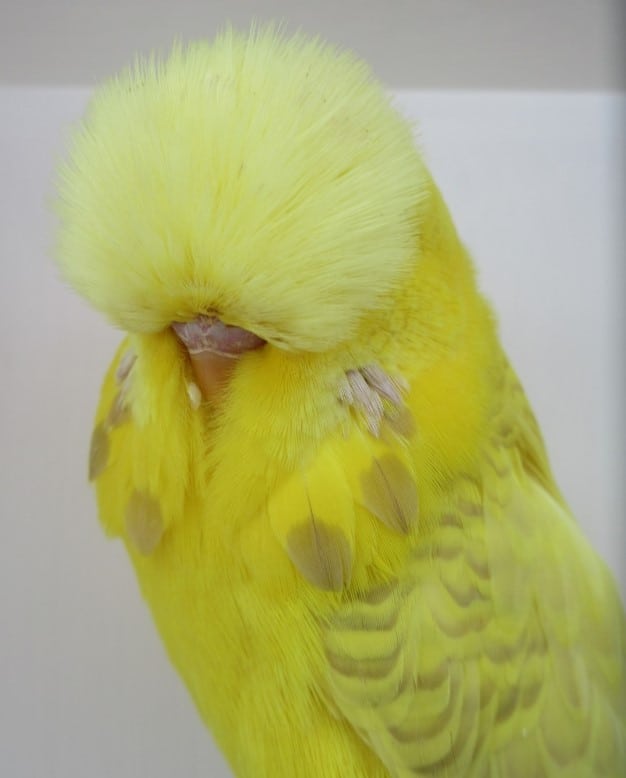
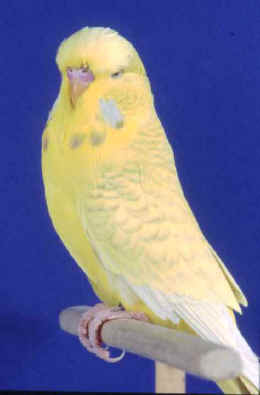
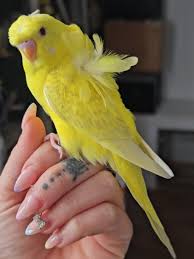
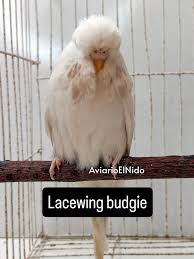
Lacewing budgies are a mutation with light brown wing markings, soft body color, and red eyes. They combine the clear appearance of Inos with delicate wing patterns, giving them an elegant, lace-like look.
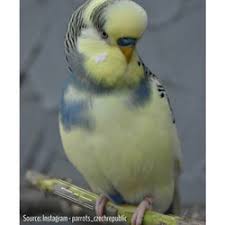
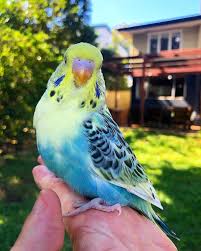
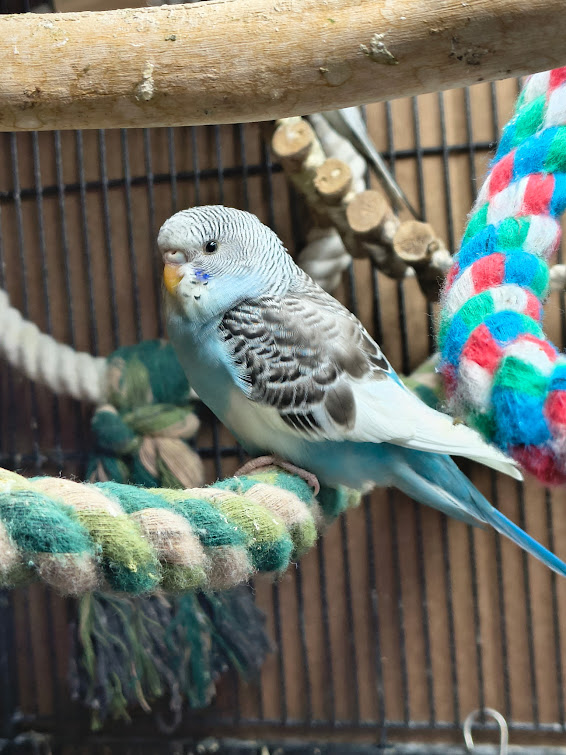
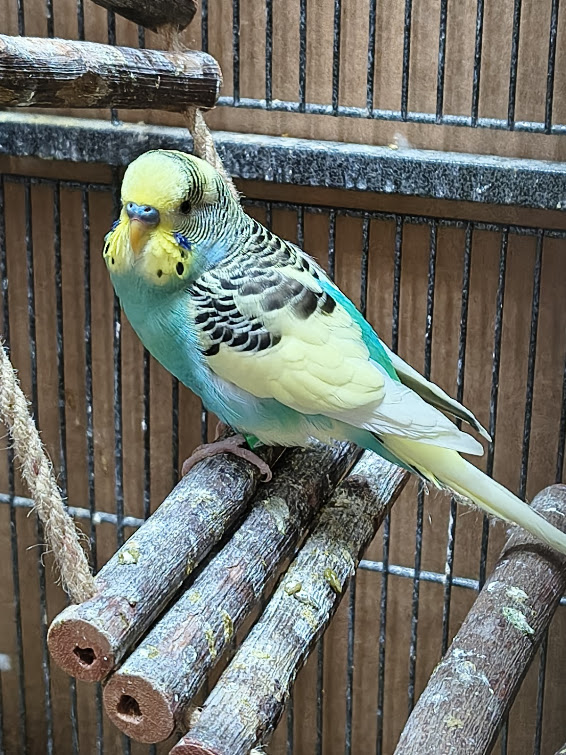
Pied budgies are a group of mutations that create random patches of clear feathers among the normal body color. Their unique patterns vary from bird to bird, making each pied budgie distinctive in appearance.
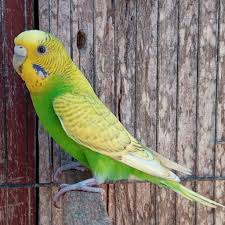
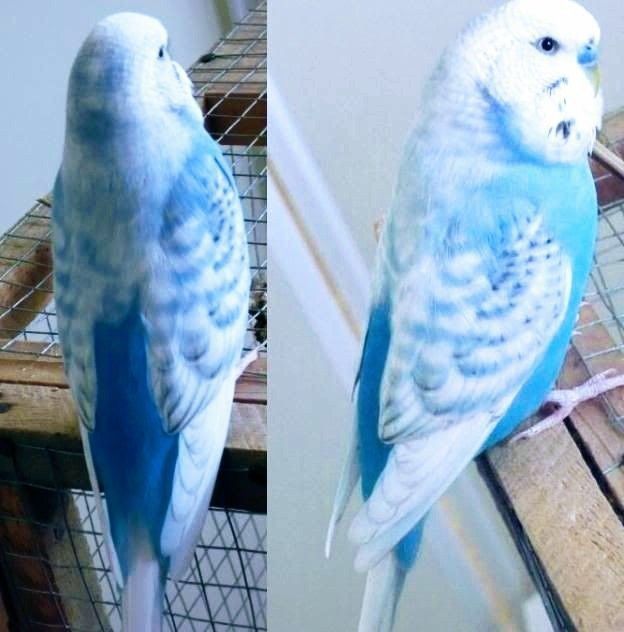
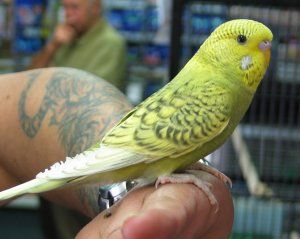
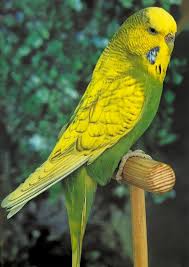
Spangle budgies are a mutation that reverses the normal wing pattern, producing light-colored wings with dark edging. They often have bright body colors and a clean, striking appearance.
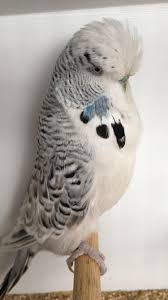
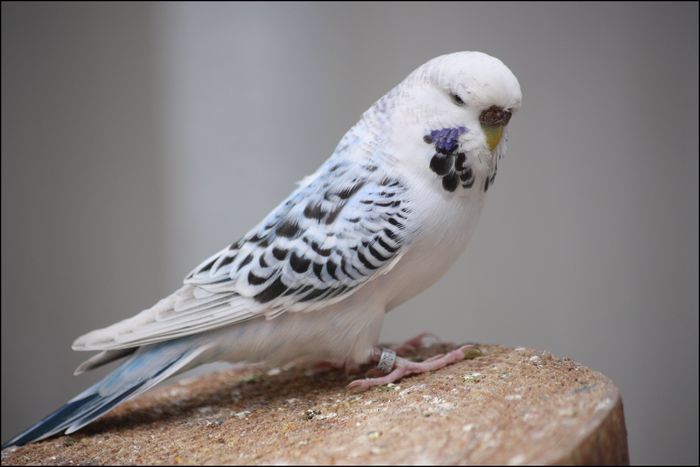
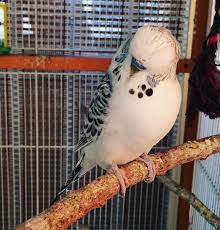
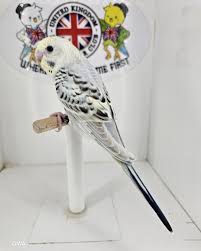
Texas Clearbody budgies are a rare mutation with clear, bright body color and reduced body markings while retaining dark wing markings. They have a clean, vibrant appearance that highlights their underlying color.
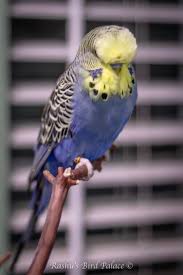
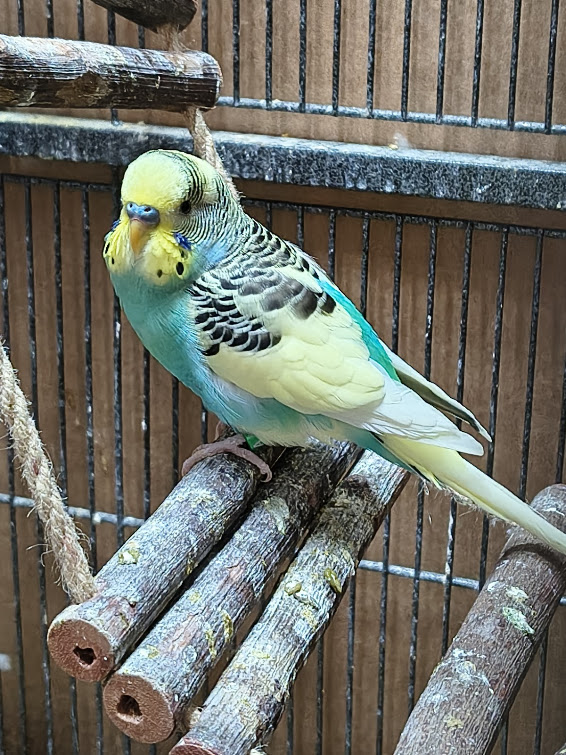
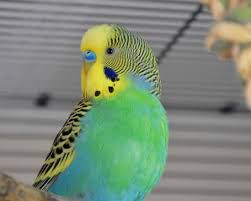
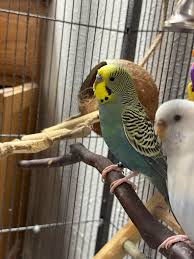
Yellow Face budgies are a mutation found in the blue series that adds yellow pigmentation to the face. Depending on the variety, the yellow may remain on the face or spread into the body, creating shades of turquoise or sea-green.
How genes work together to create every budgie you see
Every budgie inherits one copy of each gene from its mother and one from its father. These two copies (called alleles) sit at the same location (called a locus) on matching chromosomes. The combination of these two alleles determines what the budgie looks like.
Allele — a variant form of a gene (e.g. "normal" vs "opaline" at the opaline locus).
Homozygous — both alleles are the same (e.g. two opaline alleles).
Heterozygous — the two alleles are different (e.g. one normal, one opaline).
Split / Carrier — a bird that carries a recessive gene but doesn't show it because the dominant allele masks it.
When a budgie has two different alleles at a locus, the dominant one wins — it's the one you see. The recessive allele is hidden but still there, waiting for a chance to show if paired with another copy of itself.
Punnett Square: Normal (dominant) × Pied (recessive)
Normal cock (Np) × Pied hen (pp)
50% normal (split for pied) · 50% visual pied
A recessive mutation only shows visually when the bird has two copies of the recessive allele. A bird with one dominant and one recessive allele looks normal but carries the hidden gene — it's "split" for that mutation. Two splits paired together can produce visual recessive chicks even though neither parent shows it.
A dominant mutation shows with just one copy. There's no such thing as "split" for a dominant gene — if the bird has it, you see it. Some dominant mutations (like spangle and yellow face) are incomplete dominant, meaning a bird with two copies (double factor) looks different from a bird with one copy (single factor). A double-factor spangle, for example, appears almost entirely white or yellow.
This is where budgie genetics gets really interesting. Budgies (like all birds) use a ZW sex-determination system, which is the opposite of human XY system.
Sex-linked mutations in budgies (opaline, cinnamon, ino, lacewing) are carried on the Z chromosome. Hens have only one Z (paired with a W that carries no mutation genes), so whatever allele is on their single Z is what they show — there's no second copy to mask it. Cocks have two Z chromosomes, so they need the mutation on both to show it visually. A cock with only one copy is "split" — he looks normal but carries the gene.
Punnett Square: Opaline cock (split) × Normal hen
Cock: ZᴼZⁿ × Hen: ZⁿW
25% normal cock · 25% split cock · 25% opaline hen · 25% normal hen
A visual sex-linked hen always got her mutation gene from her father (since he's the one who contributed her Z chromosome). Her mother contributed the W, which carries no color genes. This is a powerful tool for breeders — if you see an opaline hen, you know her father carried the opaline gene.
All budgie colors come from just two pigments and how they interact with the structure of the feathers:
A wild-type green budgie is actually producing yellow psittacin in its feathers while the feather structure scatters light to create a blue appearance. Yellow + blue = green. This is why removing psittacin (the "blue mutation") turns a green bird blue, and removing melanin (the "ino mutation") turns a green bird yellow.
Here's how the two pigments combine to create the base colors:
Psittacin ON + Melanin ON + Structure → 🟢 Green (wild type)
Psittacin OFF + Melanin ON + Structure → 🔵 Blue
Psittacin ON + Melanin OFF → 🟡 Yellow (Lutino)
Psittacin OFF + Melanin OFF → ⚪ White (Albino)
Every mutation is a change to the wild-type gene — it doesn't add new information, it alters what's already there. Think of it like switches:
Greywing, clearwing, and dilute all sit at the same gene locus. A budgie can only have two of these alleles at a time. The dominance order is:
Normal > Greywing > Clearwing > Dilute
This means greywing is dominant over clearwing and dilute, clearwing is dominant over dilute, and normal is dominant over all of them. When a greywing and a clearwing are paired, the chicks are "full-body-color greywings" — they show greywing markings but with unusually rich body color, a unique intermediate phenotype.
This is where the real magic happens. Because each mutation acts on a different gene locus, they can all stack together. A single budgie can be opaline, cinnamon, pied, and yellow face all at once — each mutation modifies a different aspect of the bird's appearance.
Opaline + Cinnamon → Lacewing (sex-linked combo — cinnamon-brown markings on an opaline pattern)
Blue + Yellow Face → The yellow bleeds into the blue body, creating a sea-green or turquoise look
Spangle + Pied → A bird with reversed wing markings AND irregular patches of clear feathers
Ino + Blue → Albino (all white with red eyes)
Ino + Green → Lutino (all yellow with red eyes)
Ino + Blue + Yellow Face → Creamino (cream-colored with red eyes)
How Multiple Locuses Combine
Each row is a separate gene locus. The bird's final appearance is the result of all of them acting together.